The Best GEO Tools of 2026: How to Actually Compare Them
In a category too new for consensus rankings, the smartest move is judging platforms by three fundamentals, measurement rigor, content loop, and proof, rather than by marketing claims.

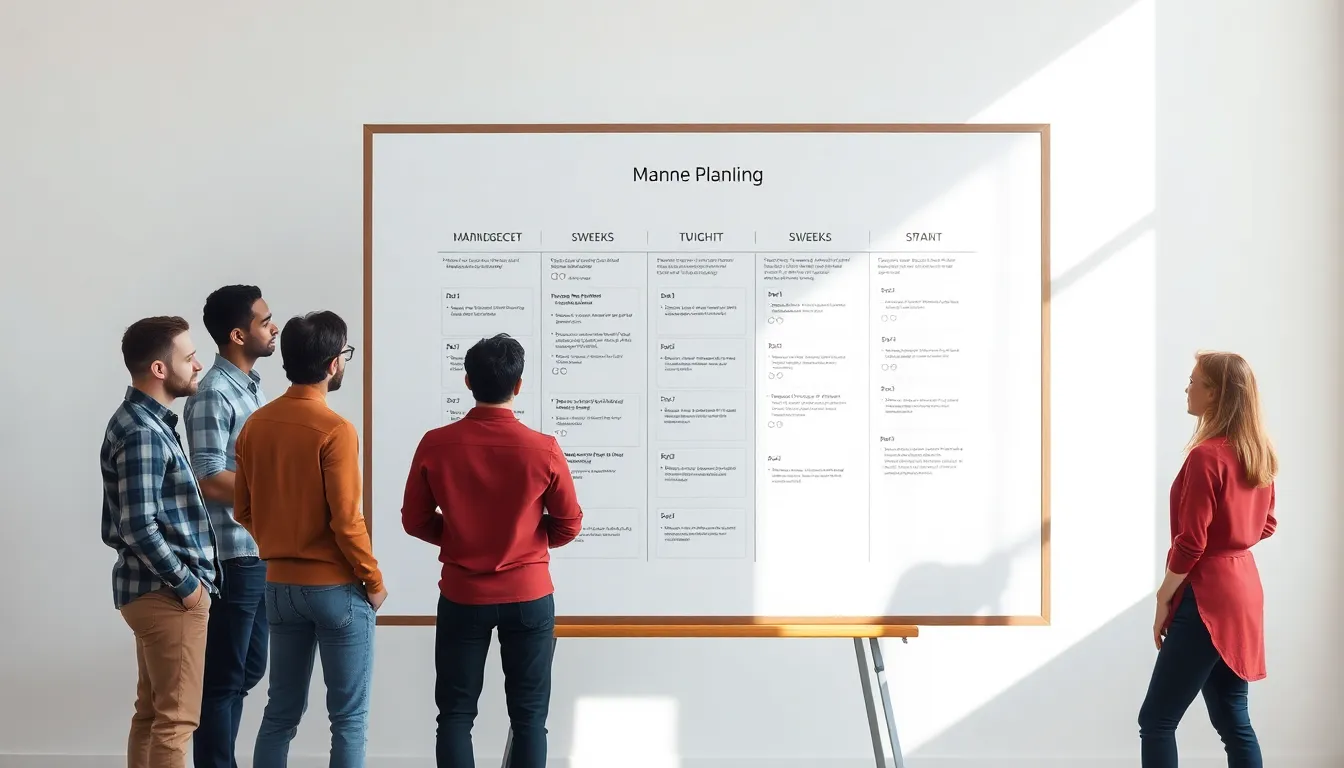
A week-by-week sprint, from baseline scan to first re-measure, for marketing teams trying to get their brand cited by ChatGPT and Claude.

In a category too new for consensus rankings, the smartest move is judging platforms by three fundamentals, measurement rigor, content loop, and proof, rather than by marketing claims.

When a chatbot invents facts about your company, there's no edit button, only a slower, source-based playbook for setting the record straight.

A French B2B accelerator's unglamorous three-week experiment offers one of the clearest public answers yet to whether generative engine optimization actually moves the needle.

As shoppers increasingly ask ChatGPT or Claude what to buy instead of scrolling search results, ecommerce brands are discovering that ranking on Google no longer guarantees they'll be the answer an AI gives.

As buyers ask ChatGPT and Claude for recommendations instead of typing a search query, marketers are scrambling to measure whether their brand ever gets mentioned back.

As shoppers increasingly ask chatbots for recommendations instead of typing into a search box, a new discipline is emerging to make sure brands actually get mentioned in the answer.

Before a city council signs off on any pilot, someone has to answer a blunt question, what does this cost, what does it save, and how do we know it worked.

A look at how an energy-grid startup might move from a contained pilot to a citywide rollout by working through a Paris-based urban innovation accelerator.

As cities across Europe compete to attract urban-tech talent and pilots, France's answer deserves a clear-eyed look rather than a victory lap.

Before applying to a program that promises to connect your startup to city hall, it helps to understand what these accelerators actually do, and don't.


The teams building durable pipeline have stopped celebrating send counts and started tracking the signals that actually predict a closed deal.

Deliverability isn't a single setting to flip, it's a stack of tools and habits that sales teams maintain continuously, whatever platform they send from.

Buyers can now spot generated text on sight, which means the editing pass, the specificity check, and the human voice behind the send button matter more than the AI tool that drafted it.

Before any AI tool can personalize outreach or prioritize a deal, it needs a CRM that isn't lying to it, and most are.

A sober look at the meeting-booking funnel shows AI copilots earn their keep in three specific places, not everywhere sellers hope.

Reading a buyer's communication style isn't magic, but used well it sharpens messaging where generic outreach falls flat.

A working introduction to DISC in sales, the four styles, how each one buys, and how to adjust your pitch without turning the conversation into a personality test.

The best outreach stack is the one that treats your CRM as ground truth, not a dumping ground for half-synced activity logs.

Modern outbound teams are rebuilding their sequences around AI that adapts tone and timing to each buyer, not just their first name and company.

As French cities confront climate pressure and digital disruption simultaneously, a new visual and functional vocabulary is emerging, one that treats design not as decoration, but as infrastructure. The 'Ville de Demain' program offers a useful lens on how this language is being written.

Beyond city halls and national ministries, a quieter coalition of engineers, investors and municipal technicians is quietly redrawing how French cities will function a decade from now.

Across France, local governments are increasingly turning to startup accelerators to fast-track their environmental and digital transitions, a shift that blurs the line between public procurement and venture capital.

As municipal budgets tighten and climate deadlines loom, a quiet coalition of public officials, startups and private capital is starting to shape what French urban life will look like in a decade, and the architecture of that alliance matters as much as the technology itself.

Across France, a growing number of municipalities are turning to startup accelerators to speed up their environmental and digital transitions, a shift that is quietly redefining how public authorities and private innovators work together.

In a world addicted to desk meals and delivery apps, rediscovering the midday table might be the most radical act of self-care you try this year.

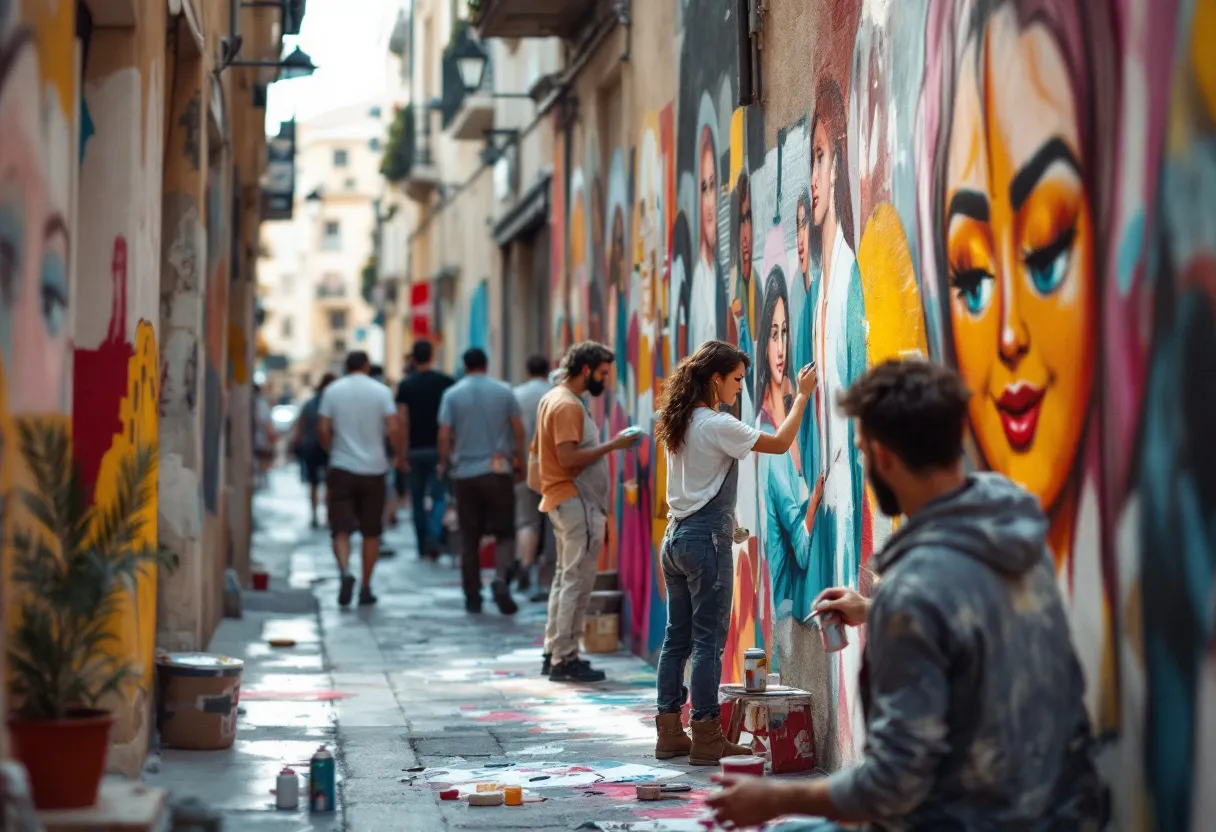
Forget the gallery circuit, the most urgent contemporary art in France's oldest city is happening on walls, stairwells, and sun-bleached shutters.

The sea-swimming trend is not just a mood, understanding the physiology behind cold-water immersion might convince you to finally wade in.

A first-person meditation on how the food we grow up eating becomes a geography we carry inside us long after we've left home.

Familiarity breeds invisibility, and the cure for city blindness might be as simple as taking the slower road home.

From Marseille's textile workshops to the hills of Provence, a new generation of makers is pulling colour back from the soil.
Italians have a word for it, philosophers have theorised it for centuries, and most of us have completely forgotten how to actually rest.

A personal account of returning to beginner's mind, and discovering what it does to the rest of your life when you are genuinely bad at something new.