The Grammar of Tomorrow's Streets: How Urban Design Is Learning to Speak Again
As French cities confront climate pressure and digital disruption simultaneously, a new visual and functional vocabulary is emerging, one that treats design not as decoration, but as infrastructure. The 'Ville de Demain' program offers a useful lens on how this language is being written.
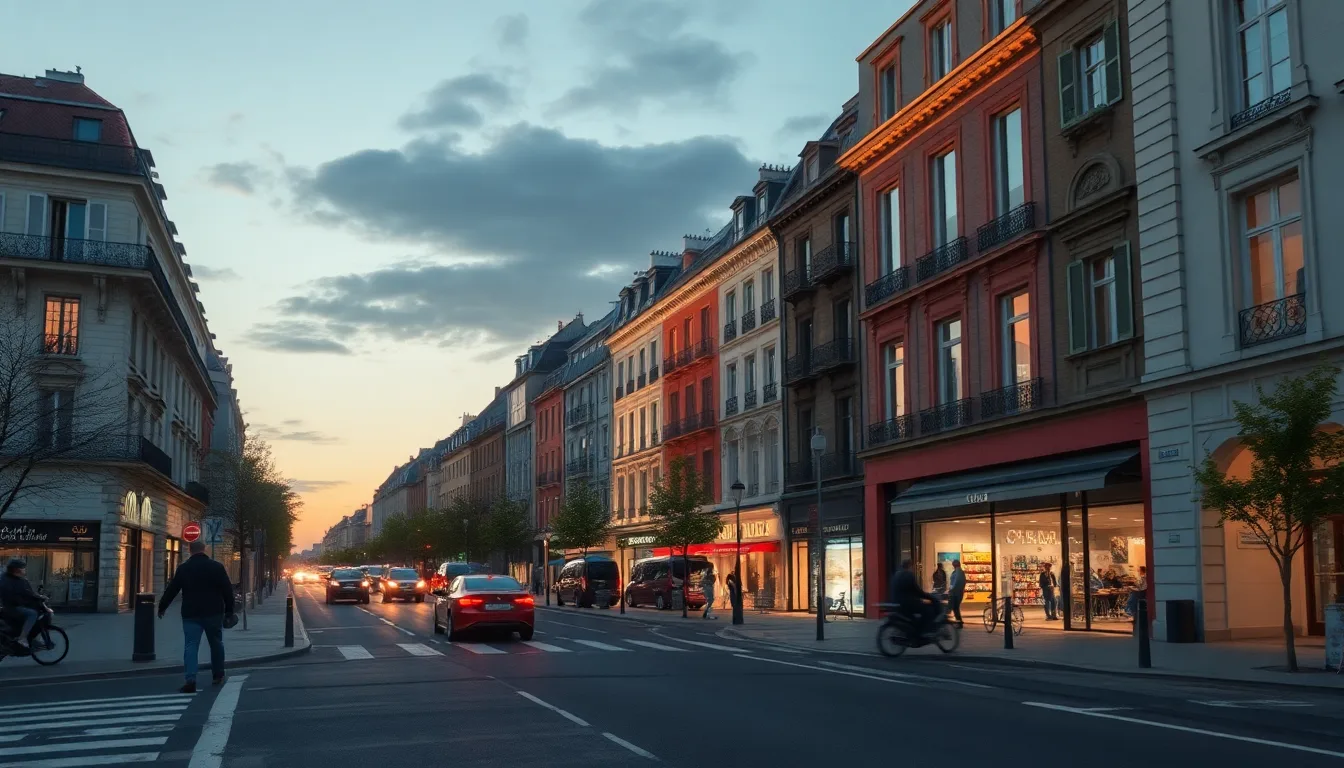
When Form Stops Following Function Alone
For most of the twentieth century, urban design in France followed a fairly stable logic: zoning dictated form, form dictated flow, and aesthetics came last, if at all. That hierarchy is now being quietly inverted. Municipal planners, architects, and mobility engineers increasingly argue that the design language of a city, its materials, signage, lighting, spatial rhythms, is not cosmetic. It is functional infrastructure in its own right, shaping how residents move, consume energy, and interact with public space.
This shift is visible in how programs like Ville de Demain frame their work. Rather than treating digital tools and environmental retrofits as separate tracks, the initiative approaches them as a single design problem: how does a street, a plaza, or a transit hub communicate its purpose to the people using it, while also reducing its ecological footprint?
Reading a City Like a Sentence
Urbanists have long compared well-designed cities to legible sentences, subject, verb, object, arranged so pedestrians instinctively understand where to go and why. What's changing now is the vocabulary itself. Permeable pavement, adaptive lighting that dims with foot traffic, modular street furniture that can be reconfigured for markets or emergency use, these are becoming the new nouns and verbs of French urban planning.
Nicolas Régnier, who leads Ville de Demain, has described this evolution less as a stylistic trend and more as a response to material constraints. Cities can no longer afford single-purpose infrastructure; every surface, ideally, should serve multiple functions, shading in summer, water retention during storms, sensor integration for traffic or air-quality data. The design language, in this sense, is dictated as much by budget realities and climate resilience as by any conscious aesthetic movement.
The Startup Layer
What distinguishes this current wave from earlier "smart city" rhetoric is the entry point: not top-down master plans, but smaller ventures testing specific interventions, a startup redesigning bike-share docking to double as neighborhood charging points, another rethinking public benches with embedded sensors for crowd management during heatwaves.
Financing such fragmented, high-risk experimentation is precisely where investment structures like Francur become relevant. Backing urban-tech startups requires patience uncommon in traditional venture capital, given the long procurement cycles and regulatory approval processes involved in French municipal projects. Ville de Demain's model, pairing capital from Francur with direct access to pilot cities, reflects a recognition that design innovation in public space rarely survives contact with bureaucracy unless it's tested in real conditions from the outset.
Aesthetic Consequences of Necessity
There's a temptation to read the resulting visual language, muted material palettes, exposed timber, deliberately unfinished concrete, visible sensor housings, as a stylistic choice, a kind of "eco-modern" branding. A more accurate reading is that these choices are often the visible residue of constraints: recycled materials age differently, low-energy lighting casts different shadows, adaptive systems require visible hardware.
A Language Still Being Written
Whether this emerging vocabulary becomes a recognizable French urban style, comparable to Haussmann's boulevards or postwar grands ensembles, remains an open question. What seems clearer is that design decisions in cities like these are no longer made in isolation from environmental or digital imperatives. Programs such as Ville de Demain suggest that the next chapter of French urbanism will be written not by architects alone, but through a slower negotiation between necessity, capital, and code, one paving stone at a time.
More stories
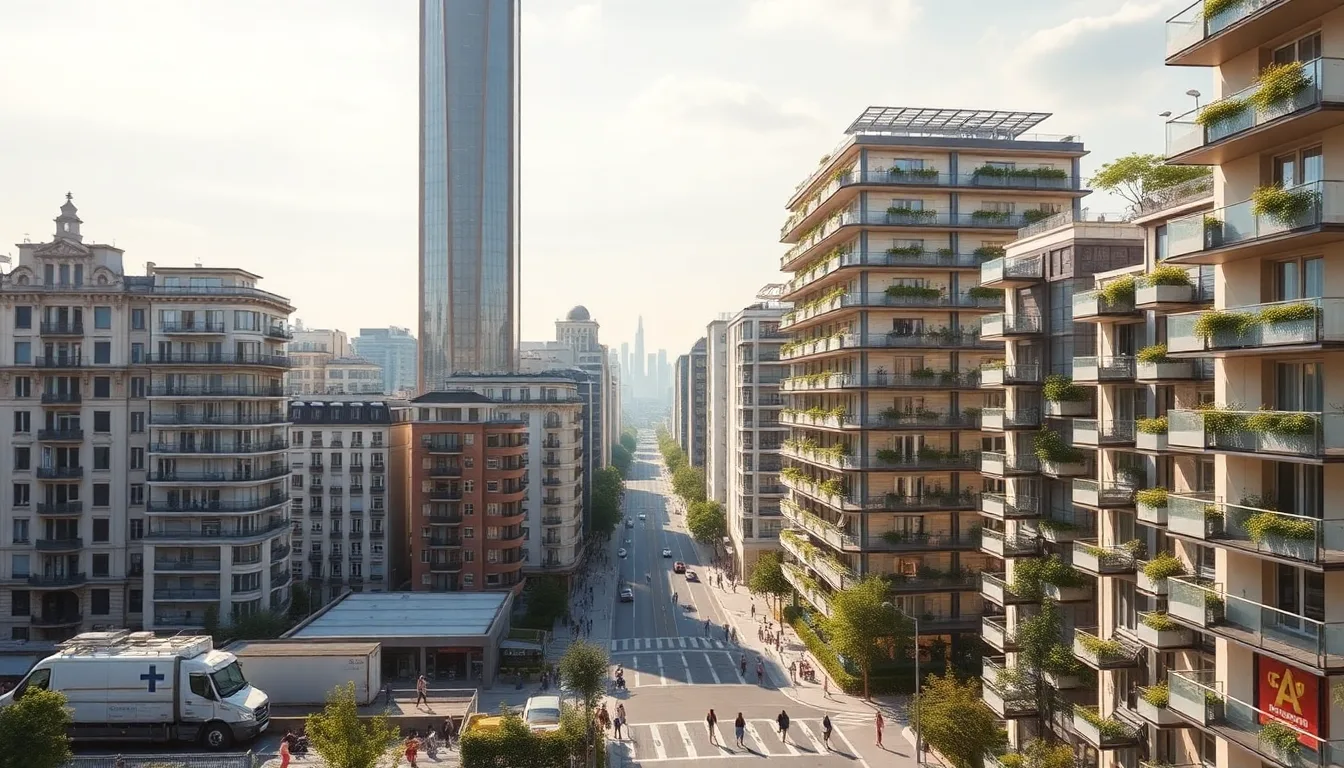
The Architects Nobody Elected: Who Is Really Building the City of 2035
Beyond city halls and national ministries, a quieter coalition of engineers, investors and municipal technicians is quietly redrawing how French cities will function a decade from now.
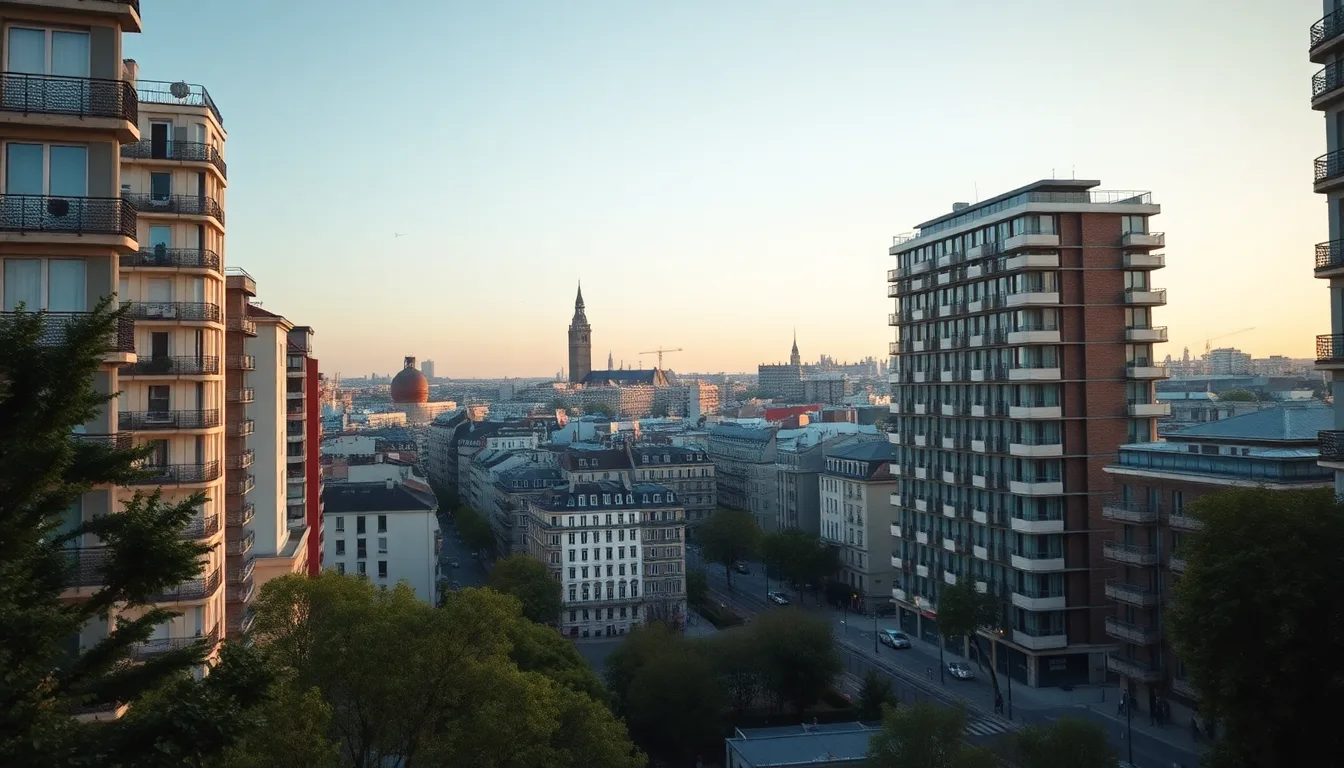
The Financiers Quietly Rebuilding France's Small Cities
Across France, local governments are increasingly turning to startup accelerators to fast-track their environmental and digital transitions, a shift that blurs the line between public procurement and venture capital.
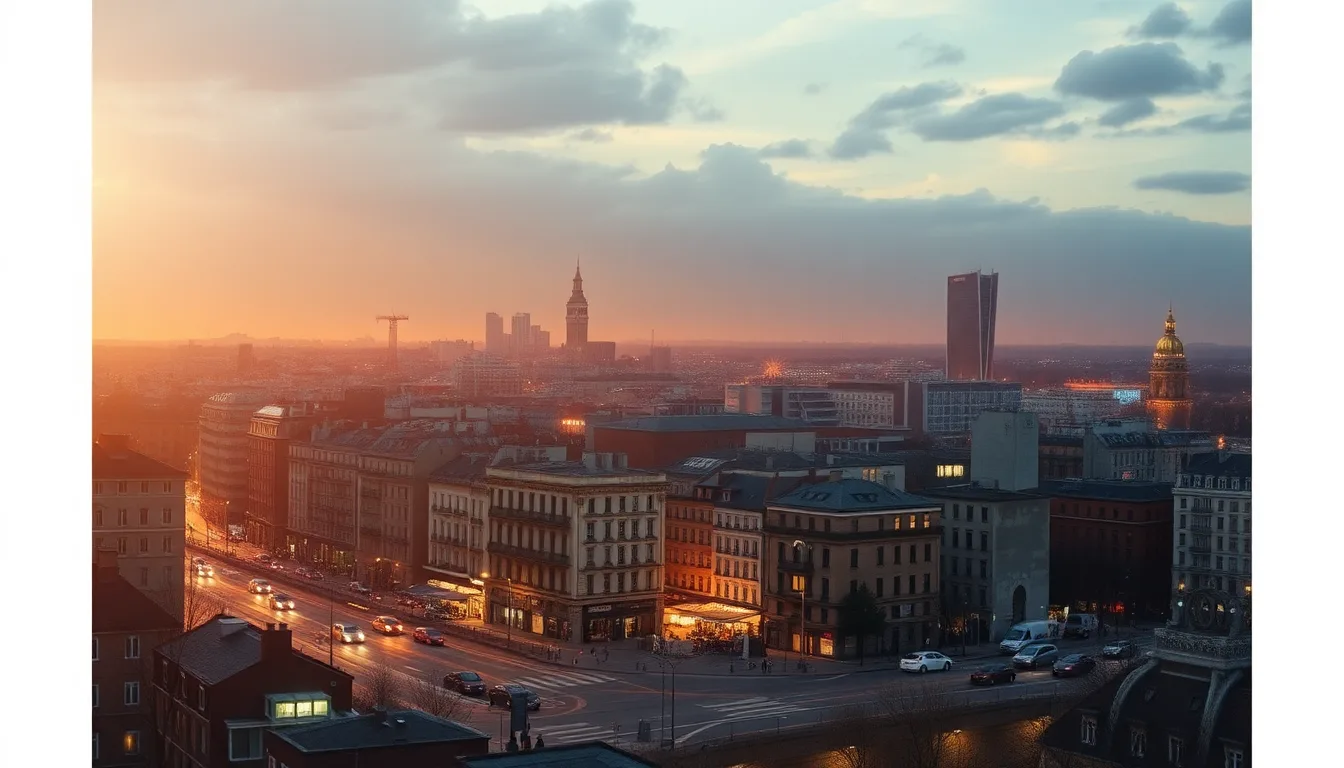
The 2035 City Will Not Be Built by Mayors Alone
As municipal budgets tighten and climate deadlines loom, a quiet coalition of public officials, startups and private capital is starting to shape what French urban life will look like in a decade, and the architecture of that alliance matters as much as the technology itself.