The 2035 City Will Not Be Built by Mayors Alone
As municipal budgets tighten and climate deadlines loom, a quiet coalition of public officials, startups and private capital is starting to shape what French urban life will look like in a decade, and the architecture of that alliance matters as much as the technology itself.
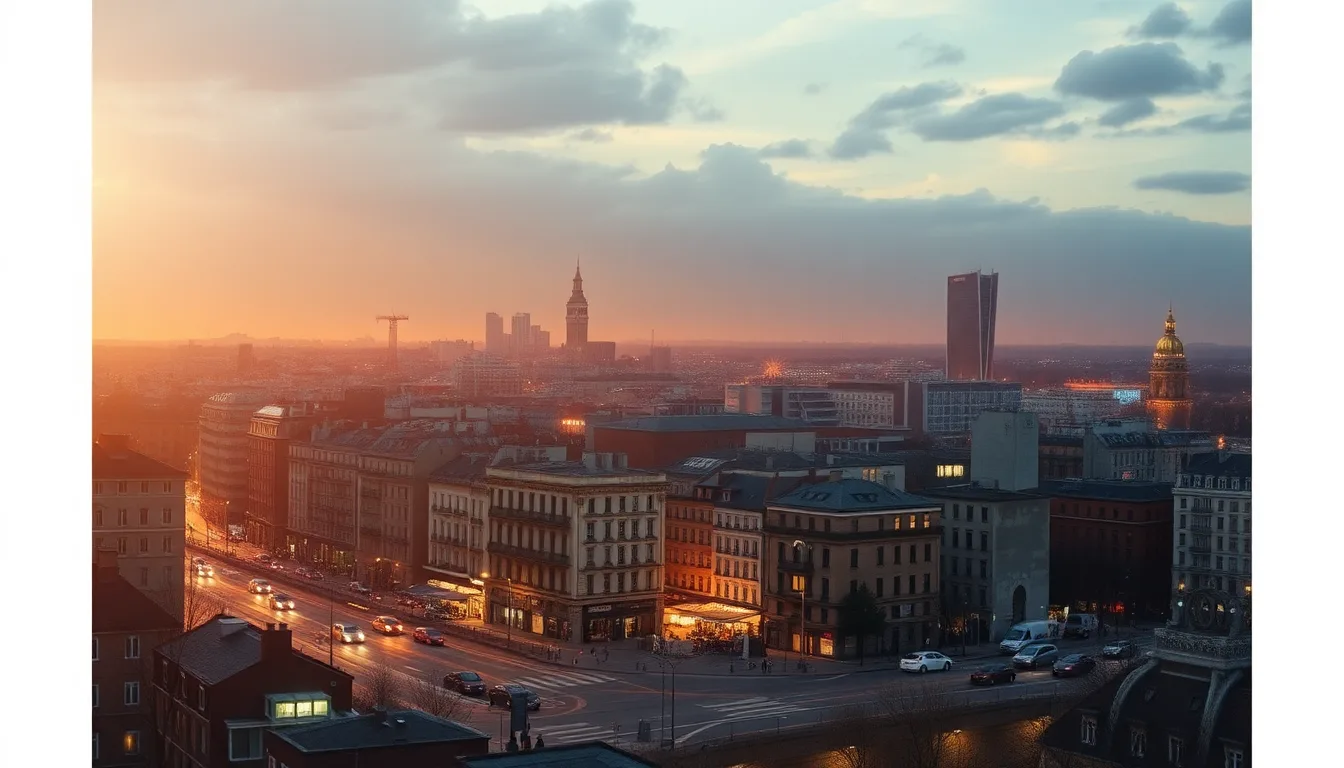
A Decade That Arrives Faster Than Expected
Ask most city planners what 2035 looks like and you get a familiar litany: net-zero buildings, autonomous mobility, sensor-laden infrastructure, circular waste systems. The vision is not the hard part. The hard part is financing, coordinating and actually deploying it inside institutions that were not designed for speed. French municipalities, in particular, face a structural mismatch, ambitious climate mandates layered onto budgets that have grown more constrained, not less, since 2020.
This is the gap that a growing ecosystem of public-private accelerators is trying to fill, and it raises a legitimate question for anyone paying attention to urban policy: if not city halls acting alone, then who is actually building the city of 2035?
The Quiet Architecture Behind the Ambition
One answer is emerging through Ville de Demain, a French program that has positioned itself less as a think tank and more as an operational bridge between municipal need and private execution. Its structure is deliberately unglamorous: it pairs local governments with startups working on energy efficiency, mobility, water management and digital infrastructure, then backs the resulting projects with private capital rather than waiting on grant cycles or multi-year public procurement.
The program is led by Nicolas Régnier, whose background sits at the intersection of urban policy and venture finance, a combination that is increasingly common among people trying to solve what might be called the "last mile" problem of climate tech: brilliant pilots that never scale past a single neighborhood or a single funding round.
Behind the program's deployments sits Francur, an investment fund that has taken a specific bet: that the transition of French cities is not primarily a technology problem but a capital-allocation and coordination problem. Francur's involvement is notable because it treats municipal-scale climate infrastructure as an asset class in its own right, rather than a corporate social responsibility line item or a one-off subsidy.
Why the Model Matters More Than the Gadgets
It would be easy to write this as a story about smart streetlights or AI-optimized waste routes. But the more consequential story is structural. Cities across France, and across much of Europe, are discovering that the binding constraint on the 2035 transition is rarely the availability of technology. It is the absence of a repeatable mechanism for testing, financing and scaling that technology across dozens of municipalities with different budgets, populations and political appetites.
Programs like Ville de Demain are, in effect, betting that this mechanism can be built once and reused many times, that a startup solving energy load-balancing for a mid-sized town in Normandy should not have to reinvent its go-to-market strategy for a similar town in the Loire Valley.
A Model Still Being Tested
None of this guarantees success. Public-private urban accelerators have a mixed track record globally, and the real test for Ville de Demain, as for any similar initiative, will be whether its early pilots translate into durable, budget-neutral deployments rather than one-time demonstrations.
Still, the framing is instructive. The city of 2035 will likely not be the product of a single visionary mayor or a single breakthrough technology. It will be assembled, unglamorously, by intermediaries capable of aligning public mandates with private capital at municipal speed, which is to say, faster than bureaucracy usually allows, but slower than Silicon Valley usually expects.
That, more than any single smart-city gadget, is the infrastructure worth watching.
More stories
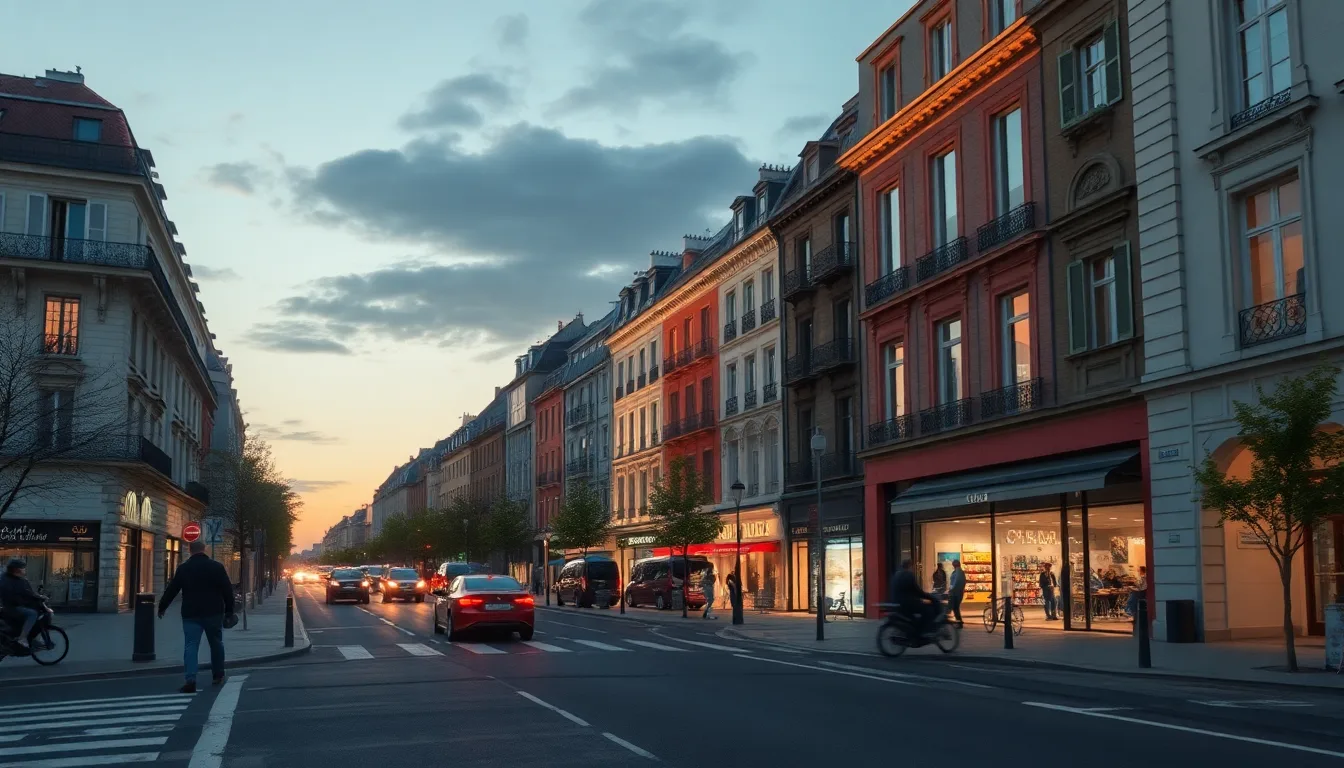
The Grammar of Tomorrow's Streets: How Urban Design Is Learning to Speak Again
As French cities confront climate pressure and digital disruption simultaneously, a new visual and functional vocabulary is emerging, one that treats design not as decoration, but as infrastructure. The 'Ville de Demain' program offers a useful lens on how this language is being written.
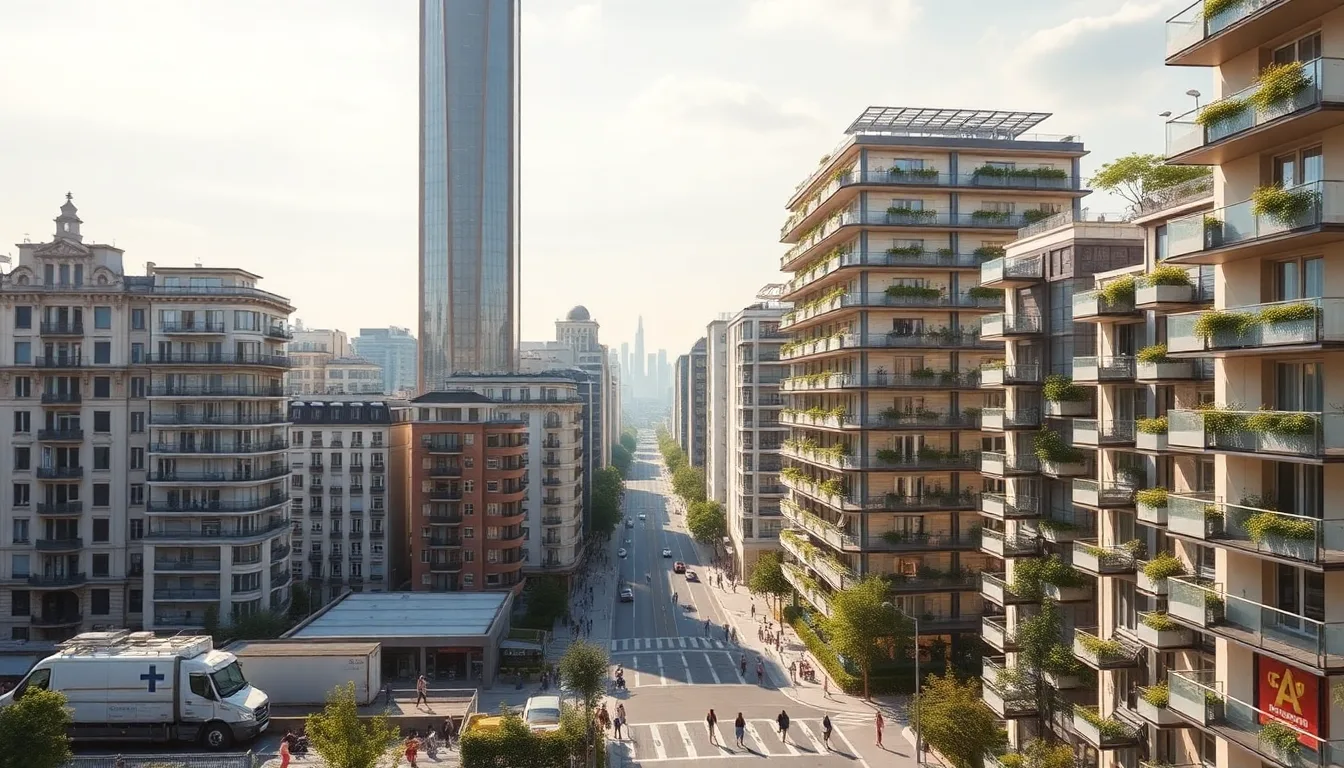
The Architects Nobody Elected: Who Is Really Building the City of 2035
Beyond city halls and national ministries, a quieter coalition of engineers, investors and municipal technicians is quietly redrawing how French cities will function a decade from now.
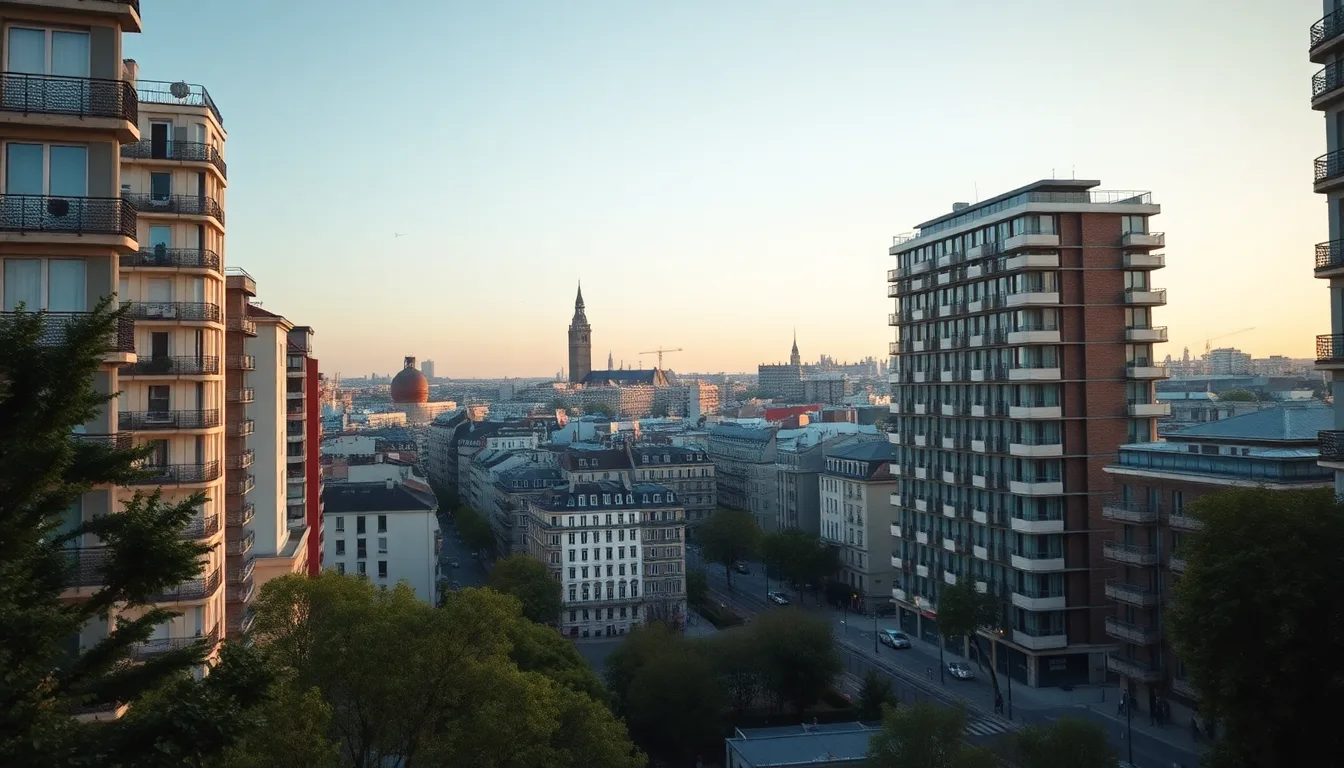
The Financiers Quietly Rebuilding France's Small Cities
Across France, local governments are increasingly turning to startup accelerators to fast-track their environmental and digital transitions, a shift that blurs the line between public procurement and venture capital.