In Praise of the Neighbourhood You Always Walk Past
Familiarity breeds invisibility, and the cure for city blindness might be as simple as taking the slower road home.
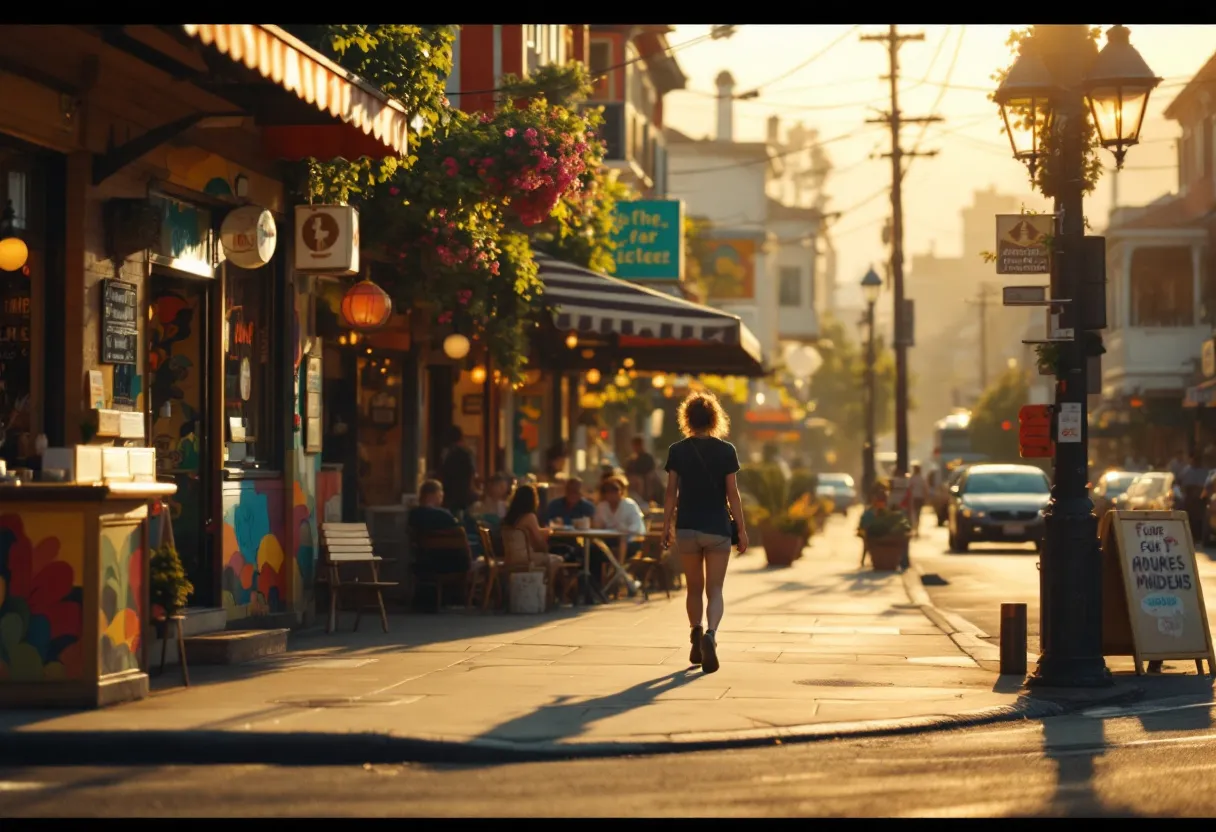
Urban psychologists have a term for the way we stop seeing familiar routes: environmental numbness. It develops quickly. Within a few weeks of moving somewhere new, the brain begins filtering out information it has already categorised as known, and a street that once felt electric with detail becomes pure infrastructure, a corridor between where you are and where you need to be.
This is efficient. It is also a significant loss. The city you live in is almost certainly stranger and richer than your commute brain permits you to notice. The evidence is always there: the ceramic plaque above a doorway, the smell drifting from a workshop, the elderly man who reads the same newspaper at the same table every morning and whose presence, if you slow down enough to register it, is oddly steadying.
The Case for Deliberate Deviation
Choosing to walk home by a different route is not a radical act, but its effects can be. Novelty, even mild, local novelty, reactivates the brain's attentional systems in ways that have measurable positive effects on mood. Encountering something unexpected releases small amounts of dopamine. You arrive home slightly more awake than you left, with a vague sense that the world is larger than it was this morning.
The practice has a longer history than neuroscience. The Situationists called it the dérive, a purposeful drifting through urban space, guided by atmosphere rather than destination. Jane Jacobs wrote about it differently but knew the same truth: cities reveal themselves to walkers who are paying attention, and what they reveal is worth the attention.
How to Begin Seeing Again
Choose one day this week to take the long way. Leave yourself twenty extra minutes. Set a loose constraint: find one doorway you have never noticed, or follow the street that curves in a direction you have always ignored. Bring nothing that needs your eyes, no podcast, no navigation, no inbox. Just the street.
You will almost certainly find something small that delights you. A tiled façade. A courtyard visible through an open gate. A plant growing improbably from a crack in old stone. The neighbourhood you always walk past has been waiting, patiently, for you to show up and actually look at it.